
How to Choose Bathroom Wall Tile for Your Space
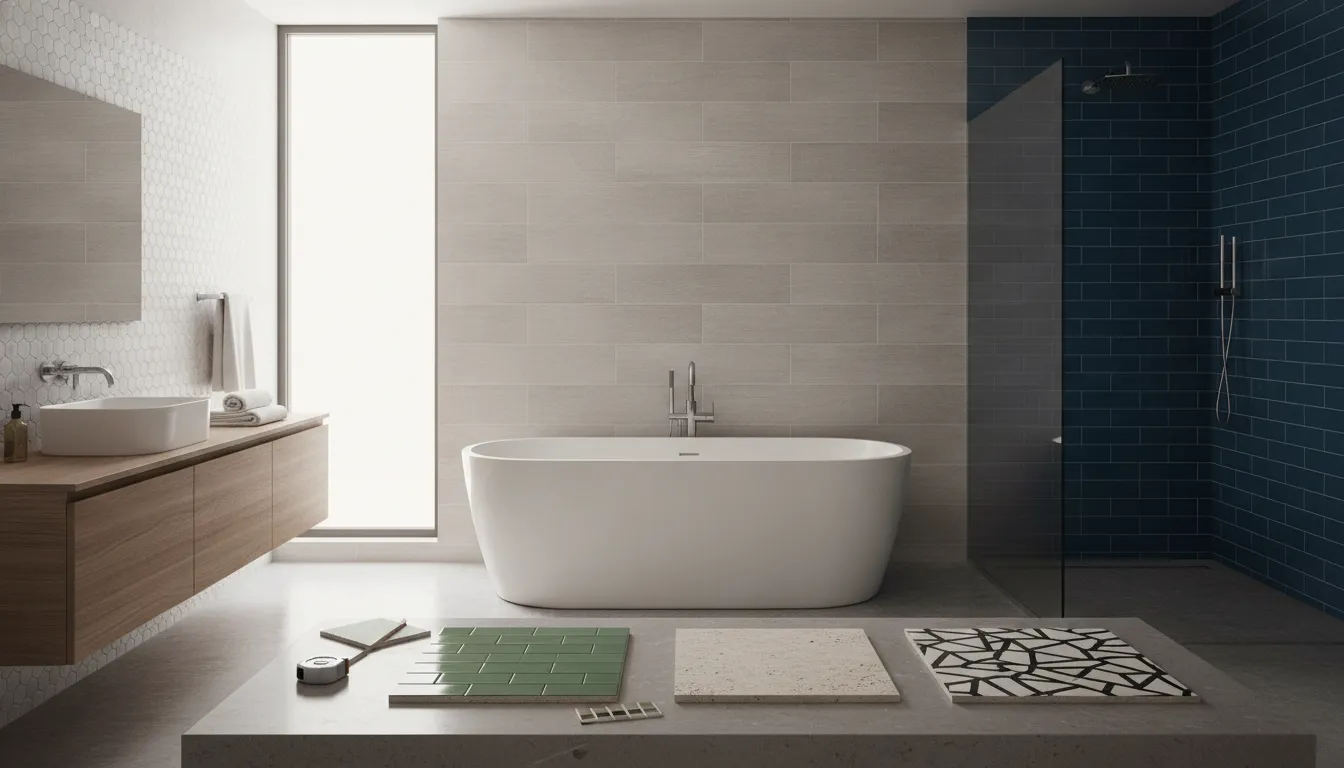
A beautiful bathroom starts with choices that work beyond the showroom. Bathroom wall tile needs to suit the room’s moisture levels, cleaning routine, layout, and overall design. That means checking whether a product is appropriate for a shower or tub surround, comparing its finish and upkeep, and planning how it will meet corners, fixtures, and trim. It’s also important to remember that tile and grout do not replace proper waterproofing behind shower walls. Whether you’re updating one feature wall or planning a full renovation, these tips can help you compare materials, prepare for installation, and create a bathroom that feels right for your home.
Key Takeaways
- Match tile to the space: Confirm each product is suitable for its location, especially shower walls, tub surrounds, and floors, which have different requirements.
- Plan beyond the tile: Include waterproofing, surface preparation, grout, trim, installation, and extra pieces in your project budget.
- Compare samples and installation plans: Check how tile looks in your bathroom’s lighting, review care instructions, and discuss layout and project scope with a qualified installer.
What Should You Consider When Choosing Bathroom Wall Tile?
Match tile to its location, from shower walls and tub surrounds to vanity accents
Start by identifying where each tile will go. Shower walls and tub surrounds face regular splashes and humidity, so choose products approved for wet areas and make sure the installation includes appropriate waterproofing. A vanity backsplash or a decorative wall outside the shower may have different demands, giving you more flexibility with materials and finishes.
The room’s layout also affects which tile will work best. Large-format tiles can create a more continuous look across broad walls, while smaller pieces are easier to arrange around niches, corners, and other details. Explore tile options for different bathroom spaces and styles, then verify the manufacturer’s recommended applications. A tile’s appearance alone won’t tell you whether it’s suitable for your shower.
Compare water absorption, moisture resistance, durability, finish, and upkeep
Bathroom wall tile should hold up to moisture, regular cleaning, and everyday use. Porcelain is a popular option for its durability and relatively simple upkeep, but check the specifications for the specific product. Ceramic can also be suitable for walls when the manufacturer approves it for the location. Natural stone offers distinctive color and veining, but may require sealing and more careful cleaning.
Consider how the surface will look and feel after daily use. Textured or intricate tile can be harder to clean, while polished finishes may show water spots more readily. Water absorption is another detail to review, particularly in areas exposed to frequent moisture. Use the manufacturer’s care instructions and guidance on common tile-selection mistakes to compare options, and ask your installer how each finish is likely to perform in your bathroom.
Check product specifications, ratings, thickness, and installation guidance
Before ordering, review the manufacturer’s specifications for the exact tile you’re considering. Check whether it’s approved for walls, wet areas, or both. Note the thickness, recommended adhesive, grout requirements, and cleaning instructions. These details can affect installation around outlets, niches, corners, and trim. If you’re considering the same tile for walls and floors, confirm that it’s approved for each surface.
Slip resistance matters most on floors, where people walk on wet surfaces. A tile suitable for a shower wall isn’t automatically appropriate for a shower floor, which has different safety and installation needs. Follow the product’s application guidance and ask questions if anything is unclear. Daltile’s wall-tile installation guide outlines key layout and installation considerations, but your product’s instructions should guide the work.
Plan for waterproofing, grout, trim, and installation, not just tile
A well-finished bathroom wall depends on more than the tile. In a shower or tub area, the surface behind the tile needs suitable preparation and waterproofing. Tile and grout help protect the finished surface, but they don’t replace a waterproofing system. Ask how the installer will prepare the walls and protect wet areas before tile is set. Careful preparation helps reduce the risk of uneven tile, cracked grout, and moisture damage.
Plan for grout, edge trim, niches, and labor as part of your project, too. Grout color can change the overall look, while trim provides a finished edge where tile stops. Choose compatible materials and follow the manufacturer’s curing instructions before using the shower. Homeowners in Tampa, Orlando, and Central Florida can explore HomeSource247’s bathroom remodeling services to discuss design, product selection, and installation planning.
Which Bathroom Wall Tile Material Fits Your Needs?
The right bathroom wall tile depends on where it will go, how much care it needs, and the look you want. A tile that suits a shower surround may differ from one you’d choose for a vanity accent. Compare product specifications and installation requirements, and remember that tile and grout are part of a larger wall system. In showers, proper waterproofing behind the tile is essential.
Porcelain: durable and well suited to wet areas
Porcelain is a popular option for shower walls and tub surrounds because it is durable, low maintenance, and available in a wide range of styles. Some designs resemble marble, wood, or concrete, offering a particular look without the upkeep that certain natural materials may require.
Check the manufacturer’s specifications to make sure the tile suits your intended location. Porcelain tile itself does not replace waterproofing behind a shower wall, and the grout and installation materials also need to be appropriate for the space. The Tile Shop describes porcelain as a durable choice for bathroom walls. Consider the tile’s size and weight, too, since they can affect the layout and installation.
Ceramic: versatile, easy to maintain, and often budget-friendly
Ceramic wall tile comes in many colors, shapes, and patterns, making it a flexible choice for a tub surround, shower wall, or vanity backsplash. It’s often budget-friendly and easy to clean when you follow the product’s care instructions. A simple ceramic tile can create a calm backdrop, while a patterned or shaped tile can add interest.
Not every ceramic product is suited to every wet-area application, so check the manufacturer’s guidance before purchasing. Compare the full installation cost, not only the price per tile. Specialty shapes and detailed patterns may require more cuts and labor. The Tile Shop highlights ceramic’s range of styles and uses, making it worth considering when you want an attractive wall finish with straightforward care.
Glass: reflective and ideal for accents and mosaics
Glass tile reflects light and can add color, contrast, and depth to a bathroom. It’s often used for mosaics, shower niches, decorative bands, or feature walls. A small area of glass can make a design feel distinctive without covering the entire room in a bold pattern. The Tile Shop notes that glass mosaics can reflect light and add depth.
Glass needs careful planning and installation. Its smooth surface may make uneven cuts or visible setting material more noticeable, so confirm whether the product requires a specific adhesive or installation method. Check cleaning instructions, too, especially for areas where water spots may appear. Before you decide, compare a sample with nearby tile, fixtures, and grout to see how the colors and finishes work together.
Natural stone: distinctive, but requires sealing and care
Natural stone, including marble and slate, brings variations in color and texture that give a bathroom wall a distinctive appearance. Those variations are part of the appeal, but stone often needs more care than porcelain or ceramic. Depending on the product and location, it may need sealing, and some cleaners can damage the surface.
Before using stone in a shower or around a tub, ask the supplier or installer about sealing, cleaning, and ongoing maintenance. Confirm how often the stone may need to be resealed and which products are safe to use. The Tile Shop describes natural stone as a material with distinctive color and texture. Request a sample to check its natural variation and see how the surface looks in your bathroom’s lighting.
Compare material costs, upkeep, and expected lifespan
Look beyond the tile’s price per square foot. Your project budget may also need to cover grout, edge trim, delivery, setting materials, and installation. Intricate mosaics and detailed layouts can take longer to install, while materials that require sealing may add to the care involved over time.
Consider durability, scratch resistance, finish, and suitability for the location, along with appearance. These practical details can help you choose a tile that works for your household and routine. MMG Marble recommends considering durability and suitability, rather than selecting tile by color or pattern alone. If you’re planning a broader bathroom update, HomeSource247 can help coordinate tile choices with the layout and installation through its bathroom remodeling services.
Which Bathroom Wall Tile Brands and Products Should You Compare?
A brand can give you a useful starting point, but the best choice depends on the specific tile and where you plan to install it. Compare product details, installation needs, and availability alongside color and style.
Compare product lines from Daltile, American Olean, Marazzi, and Porcelanosa
Daltile, American Olean, Marazzi, and Porcelanosa offer a range of tile styles, sizes, and finishes. Compare individual products rather than choosing by brand name alone. Daltile’s wall tile installation guide explains how to plan a wall layout, which can help you understand the preparation and installation involved. Browse American Olean’s product catalog to compare its styles and finishes. Marazzi’s tile collections offer more options to consider for your design, while Porcelanosa shares information about its sustainability practices. For each product, check its appearance, dimensions, texture, and suitability for the area you have in mind.
Review specifications, finishes, warranties, and local availability
Before you choose a tile, review its product specifications and installation instructions. Check the intended application, water absorption details, size, thickness, finish, cleaning guidance, and any requirements for the surface beneath it. Consider how the finish will look and how easy it will be to clean, especially in a shower or around a tub. Read the warranty terms and ask what conditions apply, including whether installation or maintenance affects coverage. Then confirm that the tile and any matching trim are available in the quantities you need. If you’re planning a project in Tampa, Orlando, or Central Florida, HomeSource247’s bathroom remodeling services can help coordinate tile selections with the installation plan.
Order samples and confirm product details before you buy
A sample helps you see how a tile looks in your bathroom, not just on a screen or showroom display. Place it near your vanity, flooring, and fixtures, then check it in daylight and under your usual evening lighting. If possible, arrange several pieces to preview the pattern and grout lines. Before ordering, confirm the product name, size, finish, quantity, delivery timing, and return policy with the retailer. Ask whether the sample matches the current production run, since color can vary between batches. For layouts with niches, corners, or decorative borders, check that compatible trim and edge pieces are available. These details can help you avoid surprises once installation begins.
How Do You Choose Bathroom Wall Tile for Your Space?
Start with your bathroom’s layout, lighting, and daily use. A tile that looks striking in a showroom may feel too busy on a small shower wall, or need more upkeep than you prefer. Think about where you want to add visual interest and how your choices will work with the room’s fixtures and finishes. Comparing samples at home can help you make a decision you’ll feel good about long after installation.
Use large-format tile for a more continuous look
Large-format tile creates a streamlined look with fewer grout lines. In a compact bathroom, that can make the walls feel less busy, especially when you choose a light color. Explore large-format bathroom wall tile in different colors and finishes to see what suits your space.
Before choosing oversized tile, consider your wall dimensions and layout. Large pieces may need precise cuts around windows, plumbing fixtures, and niches, and they can be more challenging to handle during installation. Ask how the tile will be positioned so seams and cut edges look intentional. A layout plan can help you decide whether large-format tile will work well before installation begins.
Choose smaller tiles for curves, niches, and decorative details
Smaller tiles can make it easier to cover curved surfaces and work around details such as shower niches, benches, and built-in shelves. They’re also useful for adding a border or accent without covering every wall in a bold pattern. Browse Tile Club’s bathroom tile selection for examples of different shapes, materials, and finishes.
Keep grout in mind as you compare tile sizes. Smaller tiles usually mean more grout lines, adding texture and visual detail but also requiring more cleaning. A grout color close to the tile can create a quieter effect, while a contrasting shade draws attention to the pattern. For balance, pair a small-scale accent with simpler tile across larger wall areas.
Use color, pattern, and finish to shape the room’s feel
Color and pattern help set the mood. Soft neutrals create a calm backdrop, while saturated colors or graphic designs can make a shower wall or vanity area stand out. If you’re drawn to a dramatic tile, consider using it on one feature wall and choosing a simpler design elsewhere. That gives the pattern room to shine without making the whole bathroom feel crowded. Find bold bathroom tile ideas to help shape your plans.
Finish affects both appearance and upkeep. Glossy tile reflects light, while matte or textured tile has a softer look. Consider how each finish will appear under your bathroom lighting and how often you want to clean it. A mid-tone color or subtle pattern may be more forgiving than a very dark or very pale solid surface.
Coordinate tile with fixtures, flooring, and cabinetry
Choose wall tile as part of the full room design. Compare it with your flooring, vanity, countertop, faucets, and shower hardware. The finishes don’t need to match, but their colors and undertones should work together. For example, warm-toned cabinetry may feel out of place beside a cool gray tile, even if both samples look appealing on their own.
Check that each tile is approved for its intended location. A tile made for walls may not be suitable for floors, where foot traffic and slip resistance matter. Review the manufacturer’s product details and installation guidance before buying. If you’re planning a broader update, HomeSource247’s bathroom remodeling services can help coordinate tile with the rest of the space.
Check samples in your bathroom’s lighting
Tile can look different at home than it does under showroom lights. Bring samples into your bathroom and view them at different times of day, with the lights on and off. Hold each sample beside the flooring, cabinetry, countertop, and fixture finishes to see how the colors work together.
If possible, place a sample against the wall where you plan to install it. Notice whether it looks warmer, cooler, darker, or more reflective than you expected. Order tile samples before committing to a full purchase. Before ordering, confirm the product name, finish, and color, and ask whether all boxes come from the same production lot to help maintain a consistent appearance.
Which Bathroom Wall Tile Mistakes Should You Avoid?
Bathroom wall tile should suit the surface, the amount of moisture it encounters, and the care you’re prepared to give it. A tile that works well behind a vanity may not be the best choice for a shower wall. And a tile made for walls may not be suitable for a bathroom floor. Check the manufacturer’s specifications for each product and confirm that it’s approved for the area where you plan to install it.
Remember to plan for more than the tile itself. Grout, edge trim, surface preparation, and waterproofing all affect the finished result. Before ordering, review the full installation guidance and ask questions if a product’s requirements aren’t clear. For help coordinating material choices with a bathroom renovation, explore HomeSource247’s bathroom remodeling services, which include design and installation for homeowners in Tampa, Orlando, and Central Florida.
Choosing tile for appearance alone instead of use and upkeep
A tile may catch your eye in a showroom, but looks are only one part of choosing a product. Consider where it will go, how much water it will encounter, and how you’ll clean it. Textured surfaces and detailed patterns can add character, but may take more effort to keep free of soap residue and grime.
Ask the retailer or installer about routine care, recommended cleaners, and whether the tile needs sealing. Then decide whether those requirements fit your household. Bring samples home to see how their colors and finishes look in your bathroom’s lighting. MMG Marble’s tile selection guidance also recommends weighing practical needs alongside appearance. A little research before you buy can help you choose a tile you’ll enjoy living with, not just one that looks appealing in a display.
Assuming every tile, finish, or grout performs the same in wet areas
Tiles and finishes can behave differently when exposed to water, and grout has its own care requirements. A glossy tile may be suitable for a shower wall, for example, but that doesn’t mean it’s a good choice for a floor where people need secure footing. Check the product details for each surface rather than assuming one material works throughout the room.
Confirm that the tile is intended for the location, whether it’s a shower wall, tub surround, vanity accent, or floor. If you want a consistent look across surfaces, ask whether the collection has coordinating products with different finishes or ratings. MMG Marble’s advice on tile selection highlights the importance of checking slip resistance in areas where people walk. Choose grout based on the tile, location, and manufacturer’s recommendations.
Overlooking water absorption, thickness, or installation requirements
A tile’s appearance won’t tell you how it should be installed. Before ordering, review the manufacturer’s specifications for water absorption, thickness, recommended setting materials, and approved applications. These details help you and your installer determine whether a product is appropriate for a shower wall or tub surround and what the installation will require.
Check for instructions about handling, cutting, adhesive, grout, and any special preparation. Large-format tile and natural stone, for instance, may have different installation needs from smaller ceramic tile. If product guidance is unclear, ask the retailer or installer before purchasing. Daltile’s overview of common tile mistakes underscores that wall and floor tiles can have different requirements. Confirm the intended use for every product in your plan instead of relying on appearance or a general label.
Skipping surface preparation or proper shower waterproofing
Tile and grout do not make a shower waterproof on their own. The surface beneath the tile needs to be stable, properly prepared, and protected by an appropriate waterproofing system. If preparation is rushed or the surface is uneven, tile may sit inconsistently or crack. Poor waterproofing can allow moisture to damage areas behind or around the tiled surface.
Before installation, ask how the surface will be checked and prepared, and what waterproofing method will be used in wet areas. Don’t treat this work as an optional extra. Myron Tile’s bathroom tile guidance explains how inadequate preparation can contribute to cracking, uneven tile, and water damage. For a shower remodel, discuss these steps with your installer before work begins so you understand how the assembly will protect the space.
Mistaking wall-tile suitability for the slip resistance floors require
A tile that’s suitable for a bathroom wall may not be designed for foot traffic or to provide enough grip underfoot. This is easy to overlook when you want to carry the same color or pattern from a shower wall onto the floor. Check the product information for its intended application and any floor-use guidance before making a selection.
If you love a particular wall tile, ask whether the manufacturer offers a coordinating floor tile with a finish suited to walking surfaces. You can keep the room visually connected without using the same product everywhere. Daltile’s tile advice cautions against using slick wall tile on floors. Confirm each product’s specifications with the retailer or installer, especially for areas that may be wet.
How Do You Install and Maintain Bathroom Wall Tile?
A lasting tile installation depends on more than the tile. Surface preparation, waterproofing, setting materials, and routine care all matter. Before work begins, review the instructions for your tile and installation products, especially in showers and tub surrounds, where moisture protection is essential.
Prepare a clean, sound surface and plan the layout before setting tile
Start with a surface that is clean, stable, flat, and suitable for tile. Remove dust and loose material that could affect adhesion. In a shower or other wet area, the wall assembly also needs an appropriate waterproofing system. Tile and grout alone do not keep water from reaching the wall behind them.
Plan the layout before applying adhesive. Measure the wall, mark reference lines, and consider how tiles will fit around corners, niches, faucets, and the tub or shower base. A dry layout can help you avoid awkward narrow cuts. Daltile’s wall tile installation guide offers preparation and layout advice. Always check the requirements for your tile and waterproofing system.
Choose the right adhesive, spacers, grout, and edge trim for the product and location
Choose setting materials based on the tile and the surface where it will be installed. Tile size, material, and location can affect which adhesive or mortar is suitable. A shower wall may have different requirements from a dry accent wall, so check product instructions before you buy.
Use spacers to create the joint width recommended for your tile, then select grout suited to that joint and the installation conditions. Edge trim can finish exposed sides, while movement joints may be needed where surfaces meet or change direction. Don’t assume one product works for every project. The Tile Council of North America’s resources can help you understand industry guidance, while product labels provide specific installation directions.
Follow manufacturer guidance on curing times before grouting or using the shower
Adhesive, grout, and sealant each need time to cure. The required wait can vary based on the product, tile, temperature, humidity, and installation conditions. Read the instructions for each material and confirm when you can grout, apply sealer, or expose the finished wall to water.
Using the shower too soon may interfere with curing and affect the installation. Keep the area dry for the time specified, and provide airflow if the product instructions recommend it. When products have different curing times, follow the most restrictive guidance. If you’re unsure about timing, check with the manufacturer or installer before continuing. A little patience at this stage can help protect the finish and reduce the risk of repairs later.
Clean adhesive and grout residue as you work, and seal grout or stone when specified
Remove excess adhesive and grout as you work, following the product’s recommended methods and timing. Dried residue can be difficult to remove and may affect the tile’s appearance. Choose tools that won’t scratch the surface, especially when working with glass, polished tile, or natural stone.
Sealing needs depend on the materials. Some grout and stone products require sealer, while others do not. Sealer may help protect specified surfaces, but it does not replace waterproofing behind shower tile. Follow the manufacturer’s instructions for application and reapplication, and confirm that the sealer is compatible with your tile and grout. Before using a cleaning or sealing product, review the care instructions for your specific materials.
Use tile-appropriate cleaners and plan for ventilation and future repairs
Use a cleaner approved for your tile, grout, and any sealer. Avoid abrasive or harsh products unless the manufacturer confirms they’re safe for the surface. For shower walls, regular wipe-downs can help manage soap residue and mineral deposits. Choose a suitable product for the tile rather than assuming one cleaner works on every finish.
Good ventilation helps reduce lingering moisture. Run the exhaust fan during and after showers, following the fan manufacturer’s recommendations. It’s also helpful to keep spare tiles and note the product name, color, and finish in case you need a repair. Replacement tiles can vary between production batches, so ask about availability when ordering. If tile cracks or grout deteriorates, investigate the cause before making a surface repair, particularly in a wet area.
Consider professional installation for wet areas, complex layouts, or a consistent finish
Professional installation may be a good choice for showers, tub surrounds, niches, uneven walls, or layouts with many cuts and decorative details. These projects require careful coordination between the wall surface, waterproofing, tile, grout, and trim. An experienced installer can help confirm product requirements and plan corners, transitions, and fixture openings before work begins.
Homeowners in Tampa, Orlando, and Central Florida can explore HomeSource247’s bathroom remodeling services when planning a tile update as part of a larger renovation. HomeSource247 coordinates design and installation with employee-installers, using tools such as scan-to-plan measurements and 3D visualization. A consultation and estimate can help you discuss your room, material options, and project scope before making decisions.
Where Can You Find Bathroom Wall Tile Discounts?
Check manufacturer promotions, retailer sales, and clearance selections
Check manufacturer promotions, retailer sale pages, and local tile shops before settling on a style. Clearance sections can offer savings on overstocked or discontinued tile. For example, Tiles Direct’s sales and specials feature a changing selection, while Tile Mart’s clearance tiles may include final-stock products at reduced prices.
Before buying, confirm that enough matching tile is available for the entire project, plus extra pieces for cuts and future repairs. A discounted style may be difficult to replace once it sells out. Check the product specifications, too, to make sure the tile is suitable for its intended location, especially inside a shower. If you’re unsure which products work for your layout, ask a tile professional before placing an order.
Compare total project costs, including grout, trim, delivery, and installation
A tile’s price per square foot is only one part of the project budget. Include grout, edge trim, delivery, waterproofing materials, and installation. Some patterns and layouts require more cuts or specialty pieces, which can add material waste and labor. A sale tile may cost more overall if it needs extra preparation or a more complex installation.
When comparing estimates, check that each covers similar materials and work. Ask whether removing old tile, preparing the surface, and cleanup are included. This helps you compare the full cost rather than focusing on the tile price alone. HomeSource247’s bathroom remodeling services coordinate design and installation, which can help clarify the work involved in your project.
Confirm quantities, shipping, return policies, and color-lot consistency
Before ordering, confirm how many tiles are in stock, when they’ll arrive, what shipping costs, and whether the retailer accepts returns. Clearance products are often final stock, so ordering additional pieces later may not be possible. Ask whether the boxes come from the same production lot. Slight variations in color or finish can occur between lots, and mixing them may create visible differences across a wall.
Check how to inspect the shipment and report broken or damaged pieces. If you’re ordering online, request a sample when available and compare it with the delivered tile before installation. Retailers such as The Tile Shop provide product and purchase details to review as you compare clearance options.
Order extra tile for cuts, breakage, and future repairs
Plan to buy more tile than the measured wall area requires. Pieces may need to be cut around corners, niches, plumbing fixtures, and wall edges, and some can break during handling or installation. Adding about 10% to 15% is a common starting point, but the right amount depends on the tile size, layout, and number of cuts. Intricate patterns or diagonal layouts may require additional material.
Keep leftover tiles in a safe, dry place after the work is complete. Matching pieces can be hard to find later if a style is discontinued or the color lot changes. Ask your installer to confirm the recommended extra quantity before ordering. That way, you can plan for installation and future repairs without buying far more tile than the project needs.
Which Bathroom Wall Tile Trends Suit a Lasting Design?
A bathroom can feel current without relying on a trend across every wall. Start with a tile that suits the room and its care needs, then use color, texture, or pattern in selected areas. This approach gives the design personality while making it easier to coordinate with fixtures and finishes if your preferences change.
Add character with handmade-look tile and textured finishes
Handmade-look tile adds subtle differences in color, shape, or glaze, giving walls a more individual feel. Textured options, such as fluted or terrazzo-inspired tile, create visual interest without requiring a bold pattern. Try them behind a vanity, in a shower niche, or on one feature wall before using them throughout the bathroom.
Consider how the surface will be cleaned, especially in a shower. Deep grooves and uneven finishes can hold onto soap residue, so check the product’s care guidance and suitability for wet areas. You can compare textures with simpler wall surfaces in these bathroom tile ideas before settling on a combination.
Use bold colors, patterns, or glass mosaics as accents
A vivid color or intricate pattern can give a bathroom a distinct focal point. Use it in a contained area, such as a vanity wall, shower niche, or decorative band, and pair it with simpler tile elsewhere. Glass mosaics can also add color and reflect light, making them a useful choice for smaller accents.
Bring samples home and view them beside your flooring, countertop, and fixtures. Bathroom lighting can change how a tile’s color and finish appear, so check samples at different times of day. Also confirm the product is appropriate for its intended location and follow its cleaning instructions. For visual inspiration, explore these bathroom tile trends.
Consider marble-look tile and other nature-inspired styles
Stone-inspired patterns, soft earth tones, and visible veining can give a bathroom a calm, natural character. Marble-look porcelain offers a consistent pattern, while natural stone has variations that make each installation distinctive. Vertical veining can draw the eye upward, helping create a sense of height in a compact room.
Compare full-size samples in your bathroom’s lighting, since the pattern and color may look different at home than they do online or in a showroom. If you’re considering natural stone, ask about sealing, cleaning, and ongoing care before you buy. For any product, check the manufacturer’s guidance to make sure it suits the wall or shower location you have in mind.
Mix materials and finishes within a consistent design plan
Combining tile styles can make a bathroom feel considered rather than overly matched. Choose one main tile first, then add an accent that shares a color, shape, or finish. For example, a simple wall tile can pair with a terrazzo-inspired niche or a small area of glass mosaic. Keeping the palette focused helps the different materials work together.
Plan how tiles will meet at corners, edges, and transitions, and check that each product is suitable for its location. Grout color also affects the finished look: a close match creates a subtle effect, while contrast draws attention to the layout. HomeSource247’s bathroom remodeling services include coordinated design and installation, which can help bring tile selections together with the room’s layout.
Look for recycled-content options when available
If recycled materials matter to you, ask retailers or manufacturers whether a tile contains recycled content. Check the product specification sheet for details, including the type and percentage of recycled material, rather than relying on a broad marketing description. You can also ask whether the manufacturer provides documentation about the product’s composition.
Treat recycled content as one factor in your choice, alongside appearance, care requirements, and suitability for the intended location. Confirm that the tile meets the installation guidance for your project, then compare its price and maintenance needs with other options. Before placing an order, make sure you have enough tile for cuts and future repairs, ideally from the same production batch for a more consistent finish.
How Can You Plan a Bathroom Wall Tile Remodel?
Measure the space, identify wet zones, and choose tile for everyday use
Measure each wall you plan to tile, including areas around the shower, tub, vanity, windows, and niches. Note the location of plumbing fixtures and other features that may affect the layout. These measurements help estimate how much tile you’ll need and identify spots that may require careful cuts or trim.
Next, mark which surfaces will regularly come into contact with water. A shower wall has different demands from a decorative accent behind a vanity, so check that each tile is suitable for its intended location. Consider how much cleaning and upkeep it will need, too. Tiles with higher water absorption may be more vulnerable to moisture-related problems in humid spaces. MMG Marble’s tile selection guide outlines practical factors to review before you buy.
Set a budget for tile, grout, trim, and installation
Tile is only one part of the project cost. Include grout, edge trim, waterproofing, surface preparation, delivery, and installation in your budget. Specialty shapes, mosaics, natural stone, and intricate patterns may require more cutting or labor than standard ceramic or porcelain tile.
Ask for an estimate that clearly lists material and labor costs, and confirm whether removing existing tile or repairing the wall is included. You may also want to set aside some money for unexpected issues uncovered during demolition. Comparing the full project scope, rather than the price per tile alone, gives you a clearer picture of what different options will cost. Edward Martin’s advice on bathroom tile selection can help you weigh appearance against maintenance and function.
Check selections against the room layout and product requirements
Before ordering tile, consider how its size and pattern will work with your bathroom’s dimensions. A design that looks balanced in a showroom might create narrow cuts along a small wall or awkward edges around a niche. Ask how the installer plans to lay out the pattern and where cuts will fall, especially on prominent shower or tub walls.
Review the manufacturer’s instructions for the tile’s intended use, recommended adhesive, grout spacing, and installation method. Check the tile’s thickness and whether matching edge trim is available. These specifications can affect transitions at corners and where tile meets other surfaces. In wet areas, remember that tile alone does not waterproof a wall. Ask how the full shower system will be protected from moisture, and confirm that the selected products are compatible.
Ask about coordinated design and installation, including scan-to-plan measurements and 3D visualization
A coordinated design and installation process can help identify layout concerns before work begins. Ask how measurements are taken, how the plan accounts for fixtures and niches, and whether you can preview the proposed design. Scan-to-plan measurements and 3D visualization can help you compare tile sizes, patterns, and placement within the room.
It’s also useful to know who will manage the project and complete the installation. HomeSource247 uses employee-installers rather than subcontractors and coordinates design and installation. When discussing your remodel, bring inspiration photos, rough measurements, and a list of priorities, such as easy-to-clean surfaces or a particular style. These details give the team a better understanding of your goals and help shape recommendations for the space.
Explore HomeSource247 bathroom remodeling consultations and estimates in Tampa, Orlando, and Central Florida
If you’re planning a bathroom wall tile remodel in Tampa, Orlando, or Central Florida, a consultation can help connect your tile ideas with the rest of the room. Consider how the walls will work with your shower or tub, flooring, vanity, and fixtures. If you’re planning additional updates, discuss the full project scope so the design and installation plan accounts for each element.
HomeSource247 offers bathroom remodeling services, including options such as tub-to-shower conversions and walk-in tubs. You can also learn more about the company’s design and installation approach and ask about scan-to-plan measurements and 3D visualization. Share your ideas, priorities, and budget during a consultation to get an estimate tailored to your home and project.
Frequently Asked Questions
What is the best tile for a bathroom shower wall?
Porcelain and some ceramic tiles can work well, but suitability depends on the specific product. Check the manufacturer’s instructions for wet-area use, cleaning, and installation. The wall also needs a suitable waterproofing system behind the tile.
Can I use the same tile on bathroom walls and floors?
Only if the manufacturer approves the product for both surfaces. Floor tile needs to suit foot traffic and provide appropriate slip resistance when wet. A coordinating floor tile can preserve a consistent look if your preferred wall tile is not suitable underfoot.
How much extra tile should I order?
About 10% to 15% extra is a common starting point, though the right amount depends on the room, tile size, and layout. Ask your installer to calculate the quantity, especially for patterns, niches, or walls with many cuts. Keep leftover pieces for future repairs.
Does bathroom wall tile need to be sealed?
It depends on the tile and grout. Natural stone and some grout products may require sealing, while others do not. Follow the product care instructions, and remember that sealer does not replace waterproofing behind tile in a shower.
When should I consider professional tile installation?
Professional installation can be helpful for showers, tub surrounds, niches, uneven walls, and detailed layouts. Homeowners in Tampa, Orlando, and Central Florida can discuss tile selection and installation planning with HomeSource247 during a bathroom remodeling consultation.